What Is Trailer Sway?
Trailer sway occurs when a trailer begins to move side to side behind a tractor or tow vehicle, often creating a dangerous “fishtailing” effect. While slight movement can be normal during strong winds or uneven road conditions, excessive sway is a serious safety concern that can lead to loss of control, cargo damage, accidents, or even trailer rollovers.
Whether operating dry vans, flatbeds, reefers, or storage trailers, understanding trailer sway is critical for keeping drivers, equipment, and cargo safe on the road.
Common Causes of Trailer Sway
- Improper Weight Distribution – One of the most common causes of trailer sway is uneven or improperly loaded cargo. Too much weight placed toward the rear of the trailer reduces tongue weight and makes the trailer unstable at higher speeds.
- Excessive Speed – Driving too fast, especially during windy conditions or while cornering, increases the chances of sway. The faster the speed, the harder it becomes to regain control once sway begins.
- High Winds & Passing Vehicles – Strong crosswinds or large trucks passing by can create sudden air pressure changes that push trailers side-to-side.
- Suspension or Tire Issues – Worn suspension components, underinflated tires, bad shocks, damaged bushings, or improper alignment can all contribute to instability and poor trailer handling.
- Improper Hitch or Coupling Setup – Loose fifth wheels, worn kingpins, or improperly secured couplers can allow excess movement between the tractor and trailer.
- Brake Imbalance – If trailer brakes are not functioning evenly, sudden braking can cause the trailer to pull or shift unexpectedly.
Warning Signs of Trailer Sway
Drivers should watch for:
- Side-to-side movement at highway speeds
- Steering instability
- Trailer drifting during lane changes
- Increased movement during wind gusts
- Uneven tire wear
- Excessive bouncing or suspension movement
Ignoring these warning signs can quickly lead to unsafe driving conditions.
How to Prevent Trailer Sway
Proper Cargo Loading
- Always distribute weight evenly throughout the trailer and avoid overloading the rear. Secure cargo properly to prevent shifting during transit.
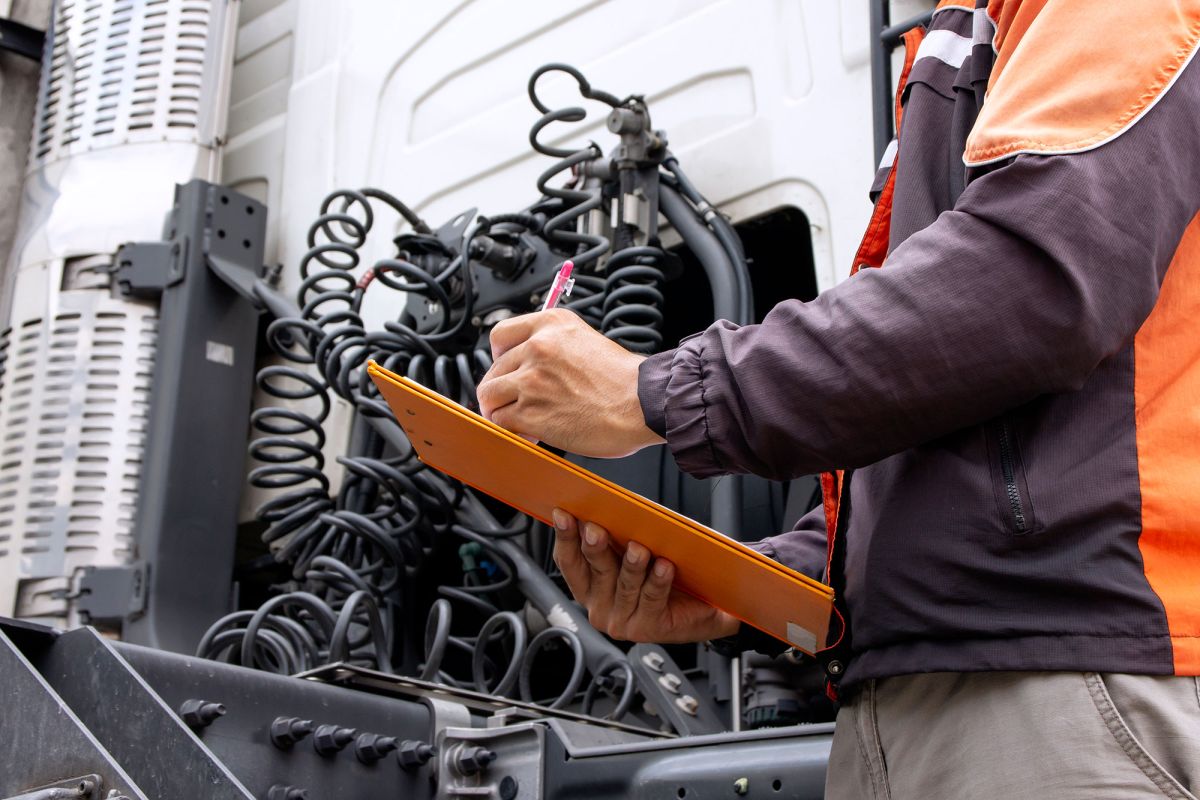
Perform Routine Inspections
Regularly inspect:
- Tires and tire pressure
- Suspension components
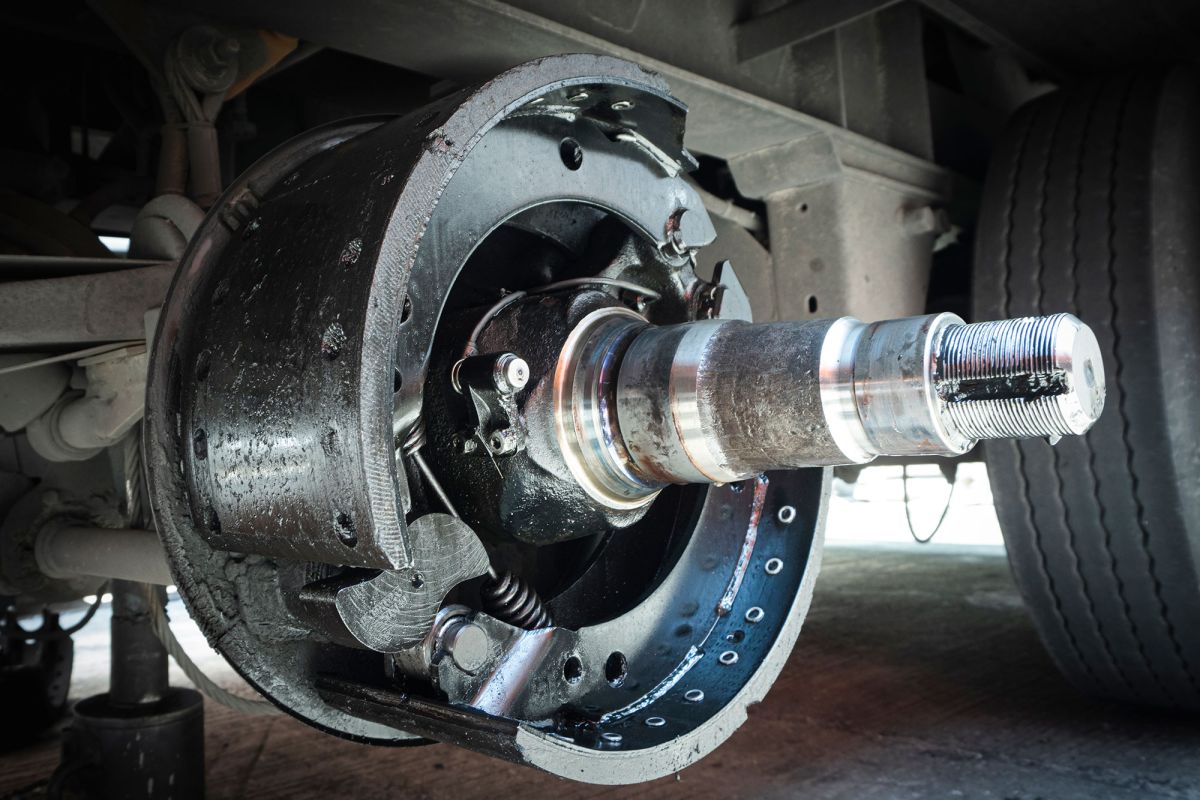
- Brake systems
- Fifth wheels and kingpins
- Wheel bearings and alignment
Preventive maintenance plays a major role in trailer stability and safety.
Reduce Speed
- Slow down during heavy winds, rain, snow, or rough road conditions. Safe speeds greatly reduce the likelihood of sway.
Use Quality Equipment
- Damaged or worn trailer components should be repaired immediately. High-quality suspension systems, tires, and braking components improve overall trailer performance.
Driver Awareness & Training
Drivers should understand how to react if sway begins:
- Do NOT overcorrect steering
- Avoid sudden braking
- Gradually reduce speed
- Keep the steering wheel steady
Atlantic Trailer Leasing Safety Commitment
At Atlantic Trailer Leasing, safety is a top priority. Our team provides professional trailer inspections, suspension repairs, brake repairs, alignments, FHWA inspections, and preventative maintenance services to help keep fleets operating safely and efficiently.
If you suspect trailer sway or handling issues with your equipment, our experienced technicians are ready to help diagnose and correct the problem before it becomes a major safety risk.
Contact Atlantic Trailer Leasing today to schedule an inspection or repair service. 609.268.1350